
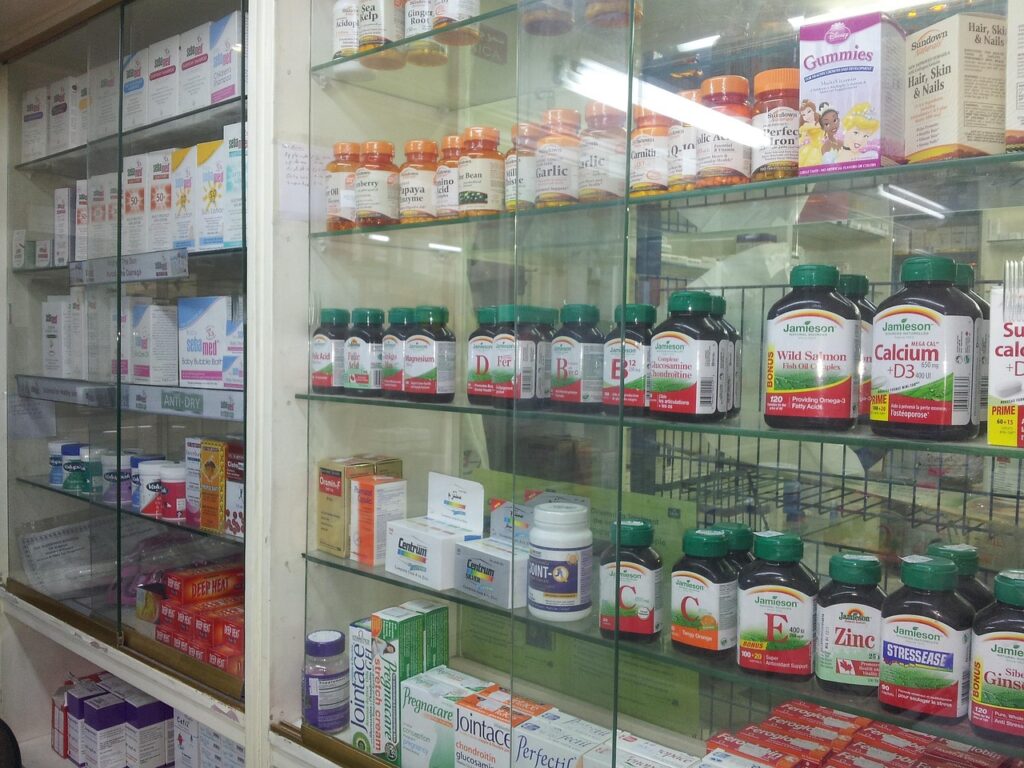
The global dietary supplement business was estimated at close to 200 billion dollars in 2024 and is estimated to reach 400 billion by early 2030s. Nearly 70% of U.S. adults take at least one supplement, and about 25% combine supplements with prescription medications. This prevalence exists despite limited regulatory oversight, and widespread under-recognition of supplement-related harm(1).
Undoubtedly, there are supplements and nutraceuticals that have historical and scientific backed benefits for health. Just like pharmaceutical agents, they are also biologically active. Unfortunately, for many, there is limited robust data on the pharmacokinetics of these supplements especially their potential drug-supplement interactions.
Each year, dietary supplements contribute to an estimated 23,000 emergency department visits and over 2,000 hospitalizations in the US. Risk is not evenly distributed. Young adults aged 20–34 account for the highest absolute number of supplement-related emergency visits, largely driven by weight loss, energy, and performance-enhancing products, which are responsible for the majority of supplement-associated cardiovascular events in this group. Older adults over 65 face different risks, including choking and swallowing difficulties from micronutrient formulations, compounded by polypharmacy and age-related physiologic changes. Additional high-risk populations include military service members, who commonly use weight loss, muscle-building and sexual enhancement supplements(2).
The most common adverse effects are cardiovascular and gastrointestinal. Patients frequently present with palpitations, tachycardia, chest pain, and arrhythmias, particularly after stimulant-containing products. Hepatotoxicity represents a growing concern, with millions of adults using botanicals associated with liver injury. Drug–supplement interactions further amplify risk: agents such as St. John’s wort, ginkgo biloba, garlic, and ginseng can alter drug metabolism, increase bleeding risk, or interfere with medication monitoring. Heavy metal contamination and impaired nutrient absorption add additional layers of harm.
Certain supplement categories such as those branded for sexual enhancement and weight loss are frequently misbranded or adulterated with undisclosed ingredients.
In the US, regulatory protections remain limited. Dietary supplements do not require FDA premarket approval for safety or efficacy, and post-market surveillance relies on voluntary and incomplete reporting. The European Union and Australia—both of which require premarket safety assessments provide better consumer protection.
Addressing these deficiencies will require stronger enforcement, and regulatory reform. Clinicians should perform comprehensive medication reconciliation that includes supplements, and use evidence-based tools such as the Medication Appropriateness Index to identify high-risk use. Patient-centered, nonjudgmental communication is important in order to encourage patients to disclose all that they take. The role of consulting with clinical pharmacists cannot be overstated here in order to enhance patient safety.
We live in a time when information and knowledge are ubiquitous. For a variety of reasons, the public’s trust in health advice has been steadily shifting away from credible medical experts who rely on scientific evidence and toward influencers. Compounding this problem, and in a stunning display of passivity, medical education institutions have been slow to implement major curricular reforms that address the drastic transformation of healthcare delivery in the real world. As a result, for the foreseeable future, both patients and their doctors may find themselves saying their Hail Marys as we march into the new wild, wild west of healthcare.
1. Adverse Effects of Nutraceuticals and Dietary Supplements.
Annual Review of Pharmacology and Toxicology. 2018. Ronis MJJ, Pedersen KB, Watt J.
2. Emergency Department Visits for Adverse Events Related to Dietary Supplements.
The New England Journal of Medicine. 2015. Geller AI, Shehab N, Weidle NJ, et al.